Joshua Tree National Park is a stunning desert wilderness in Southern California where the Mojave and Colorado Deserts converge. It’s named after the unique Joshua trees, which are a type of yucca plant.
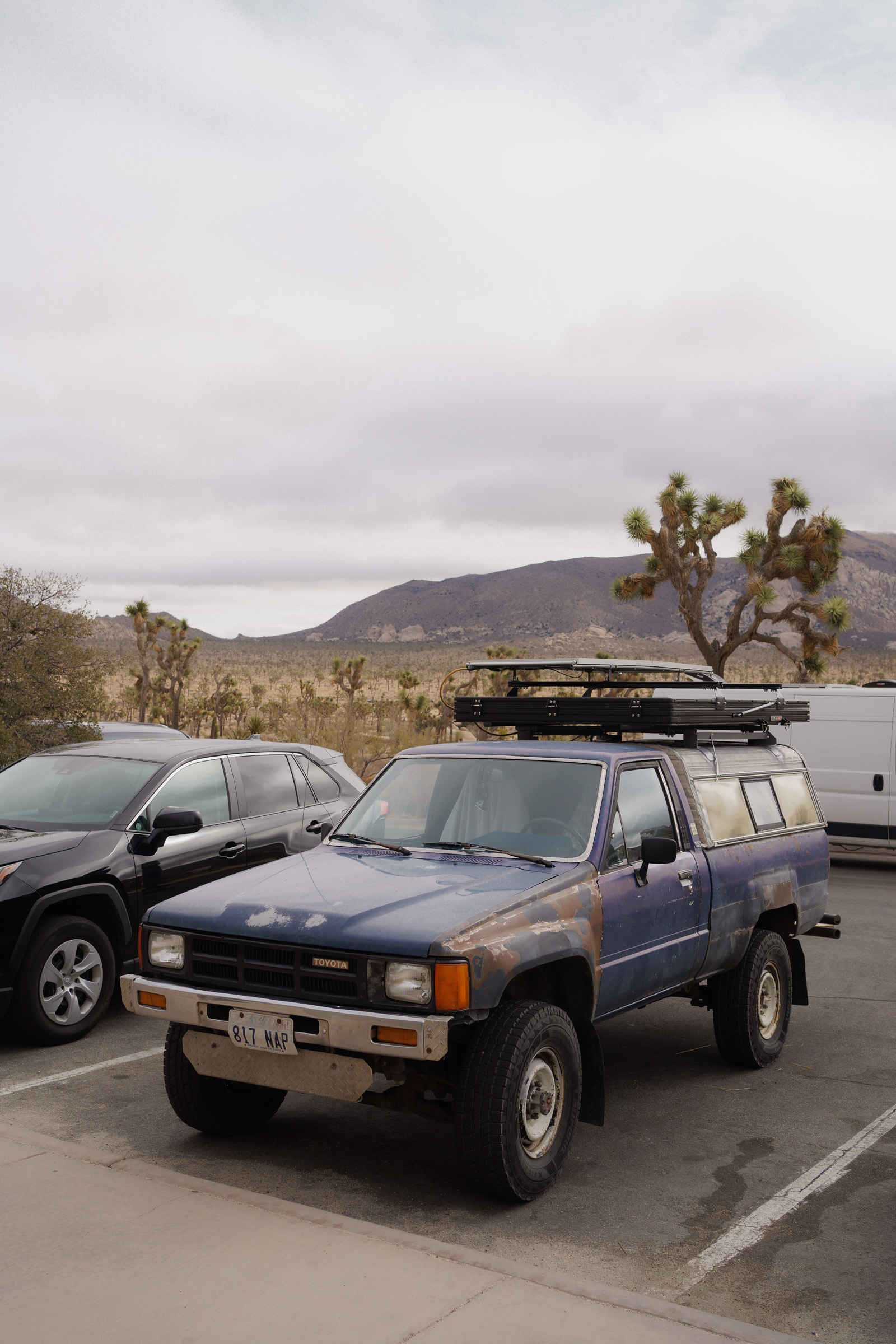
It’s best to arrive early. We left San Bernardino in the morning, and the drive took about an hour and 15 minutes. In the town of Joshua Tree, we found the Welcome Center and the West (Main) entrance. The entrance fee was $30.
Quali Springs
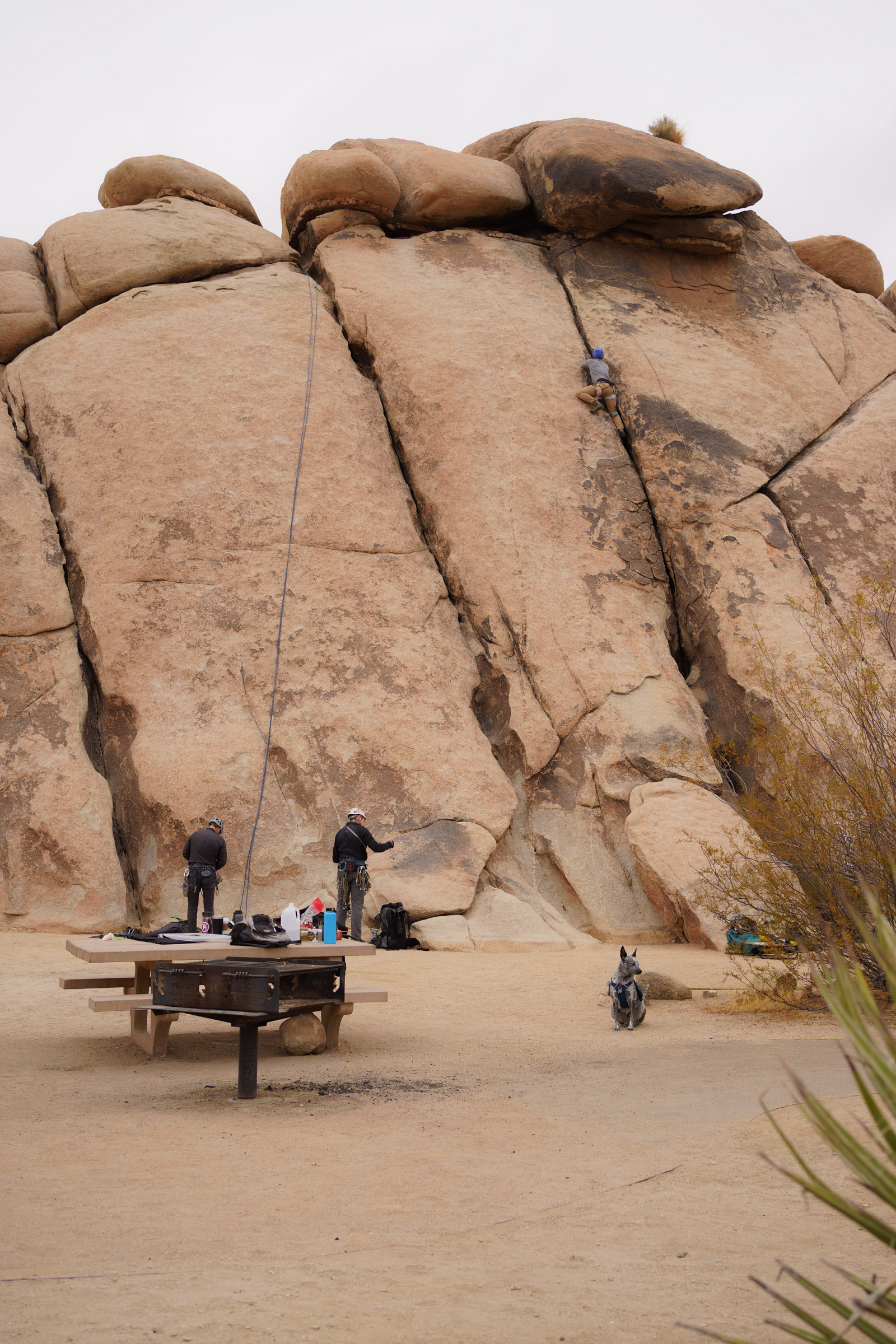
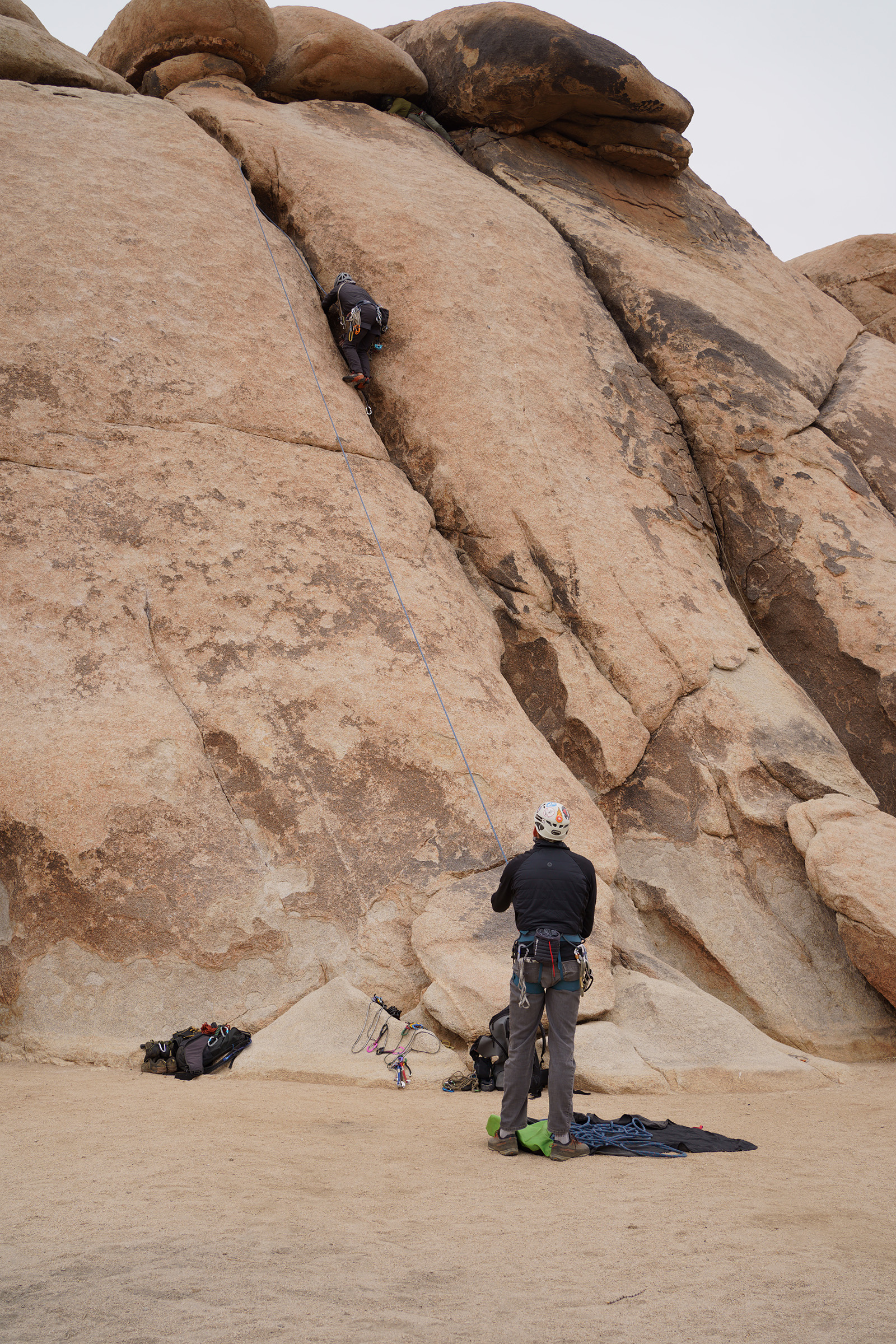
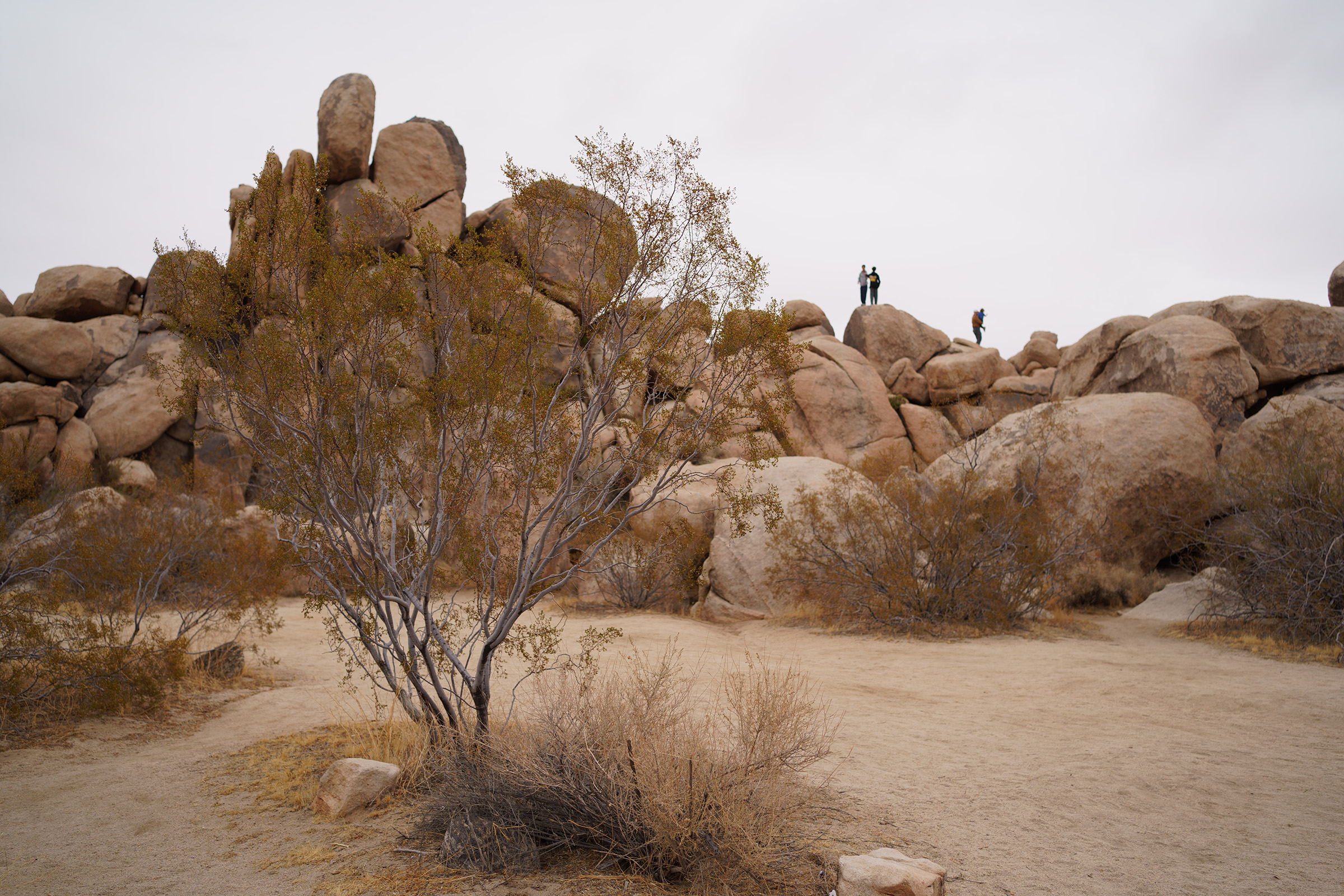
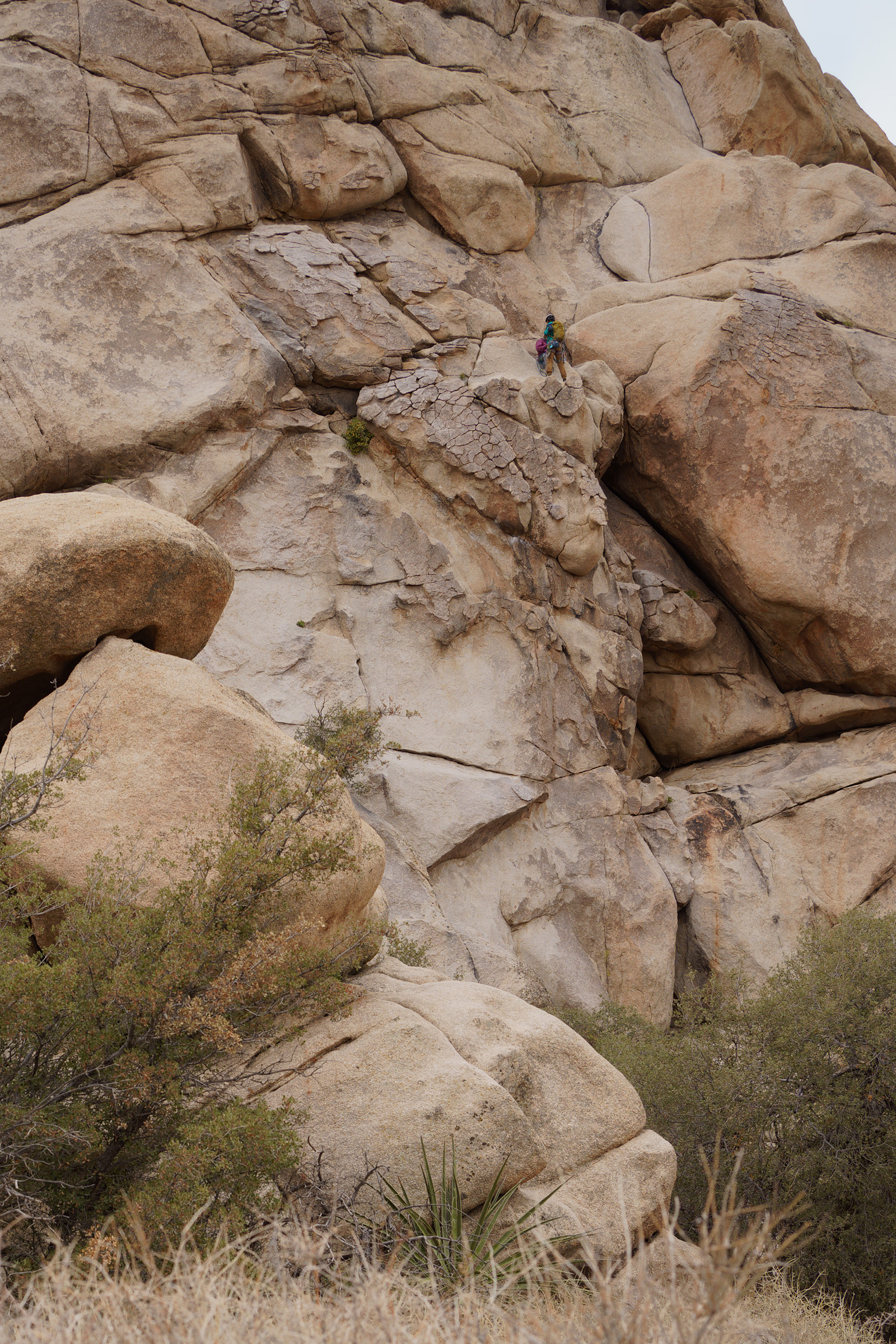
We started with the first point on the map, Quali Springs, one of the popular spots for rock climbers. The site features striking rock formations, scattered Joshua trees, and wide-open views of the surrounding desert.
Hidden Valley
Hidden Valley in Joshua Tree National Park is a picturesque area, famous for its dramatic rock formations, unique history, and natural beauty. Local legend suggests the valley was used by cattle rustlers in the 19th century to hide stolen livestock.
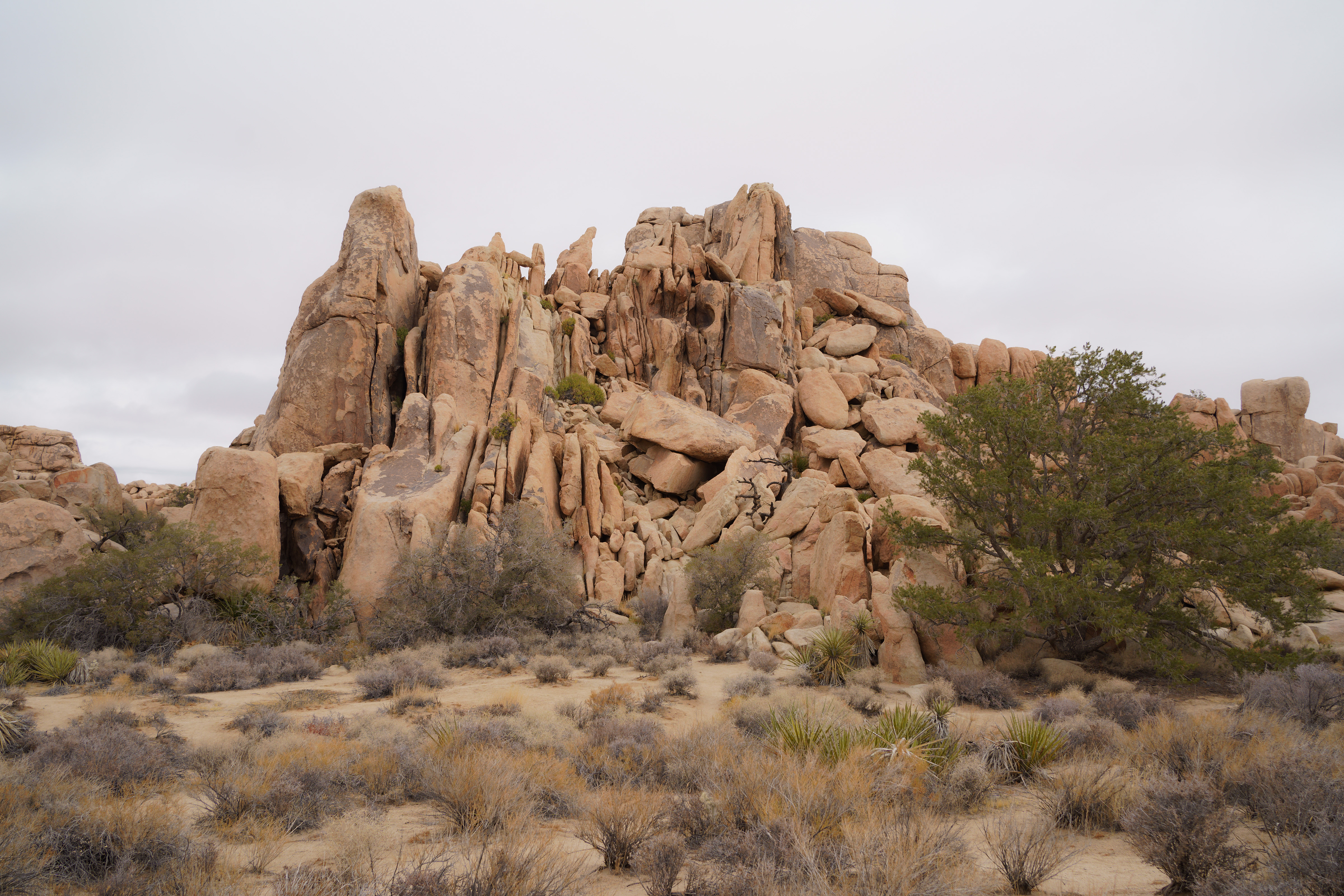
This area is also popular with rock climbers, and just about everyone else.
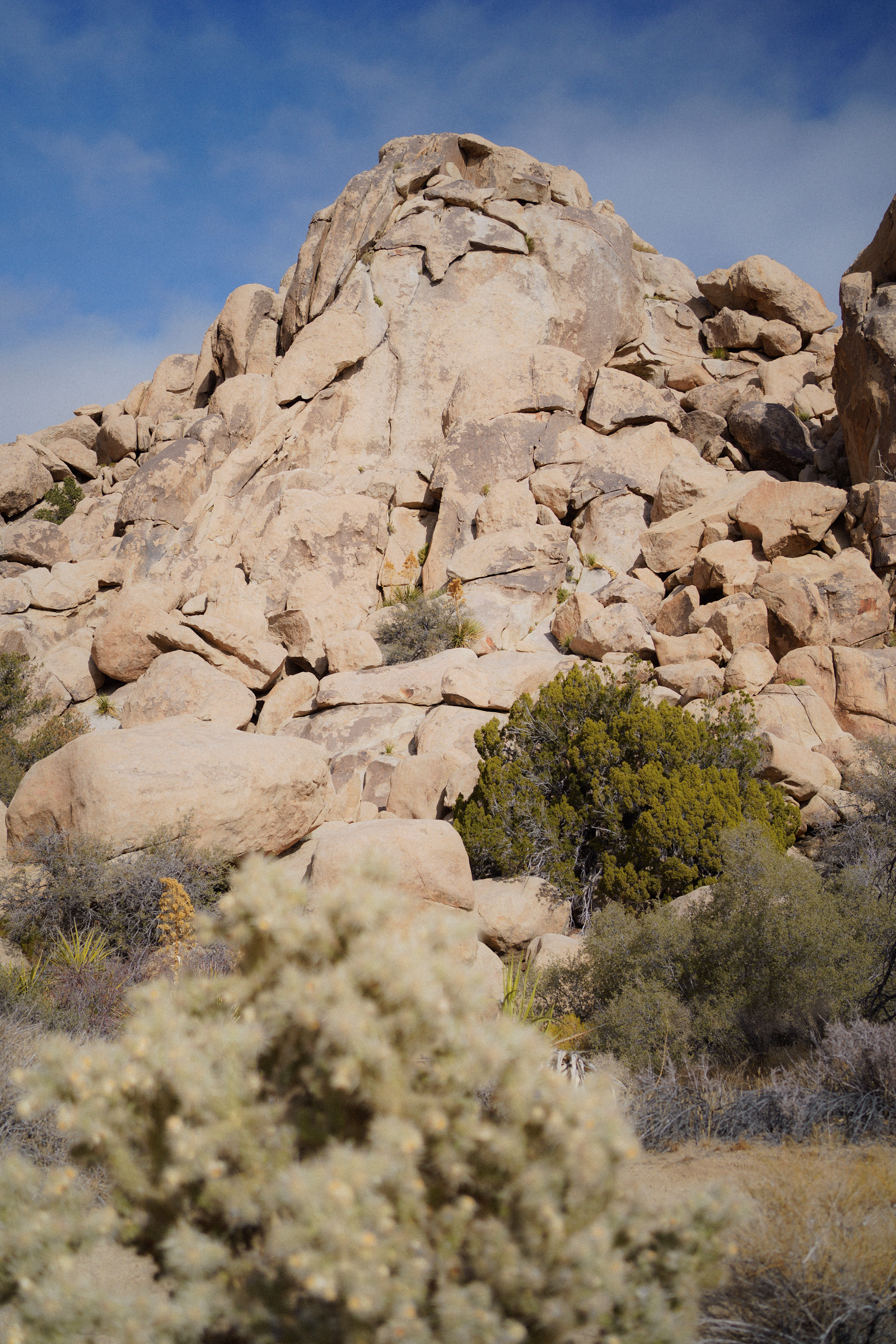
A one-mile loop trail takes visitors through a stunning, sheltered valley surrounded by towering boulders.The trail is relatively easy and great for families, offering interpretive signs about the area’s flora, fauna, and geology. It’s a must visit.
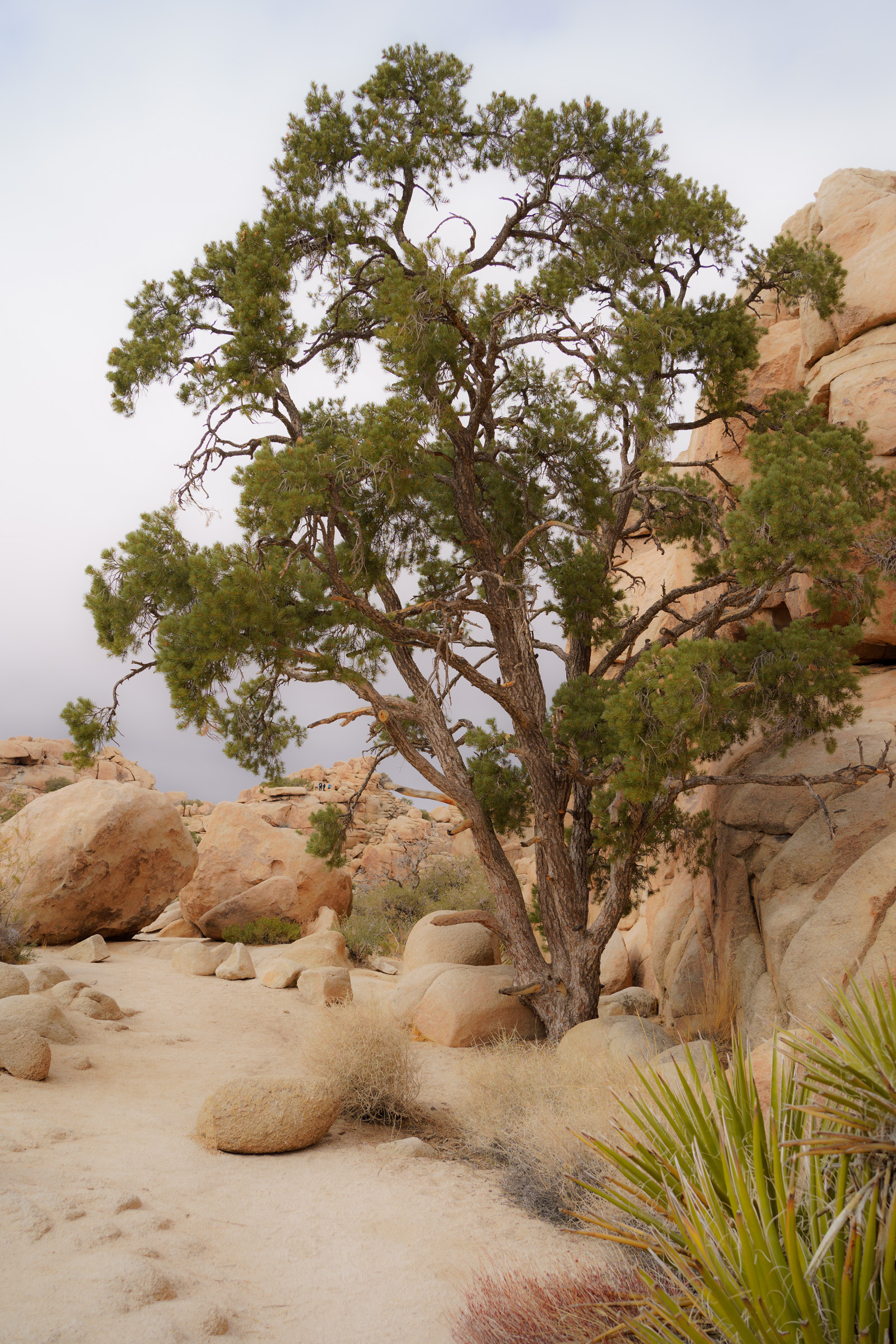
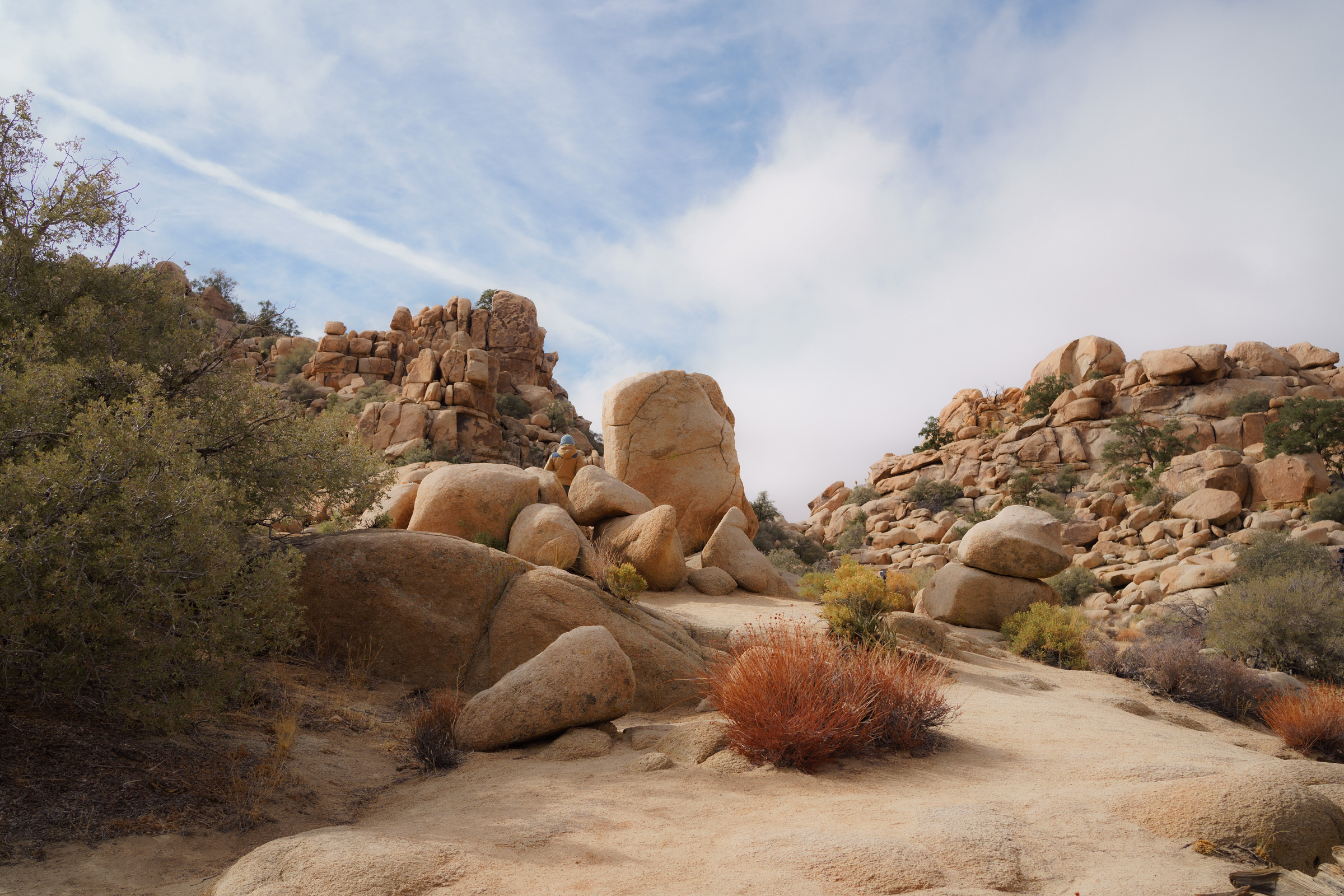
It’s much warmer in the valley on a windy day.
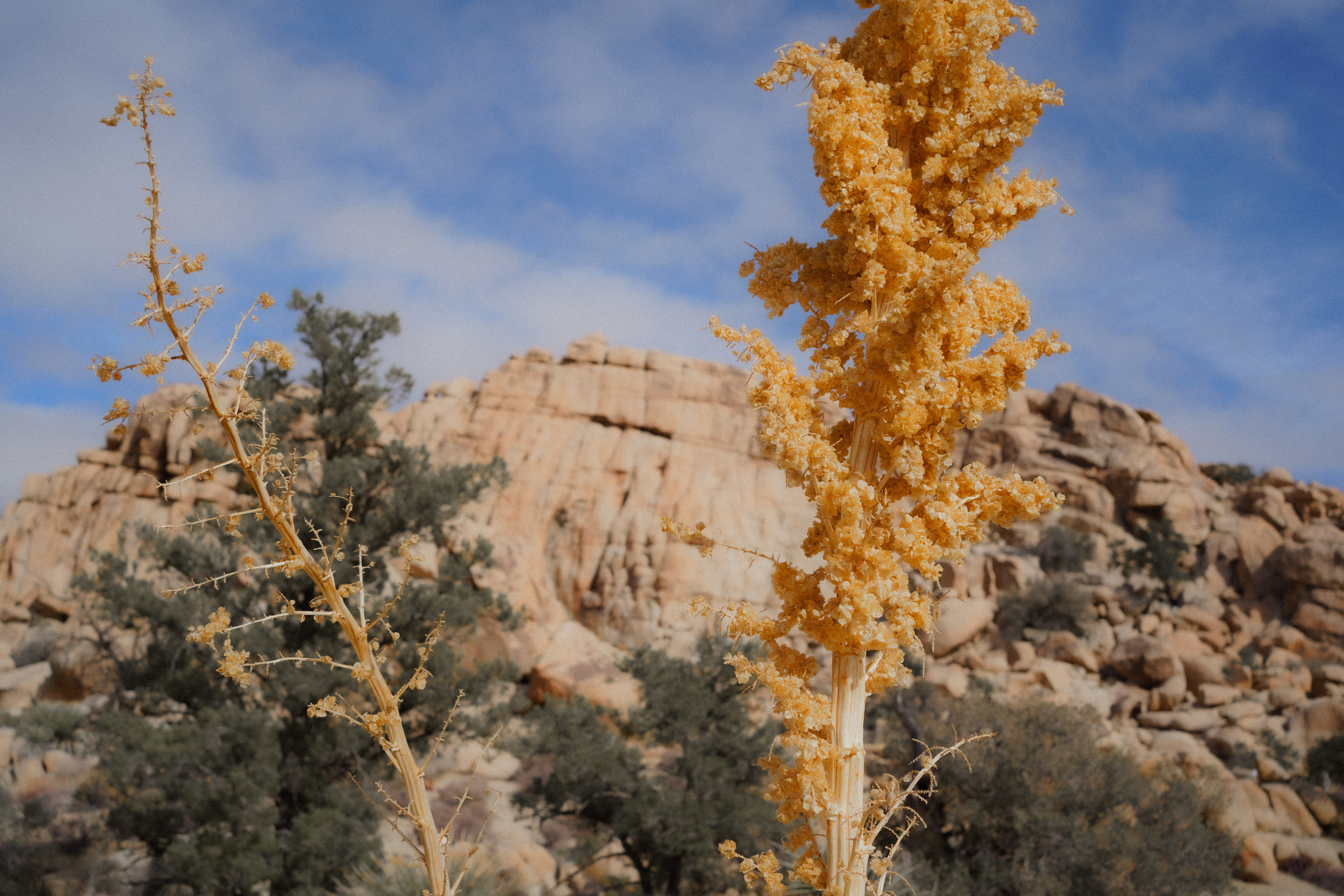
Cap Rock
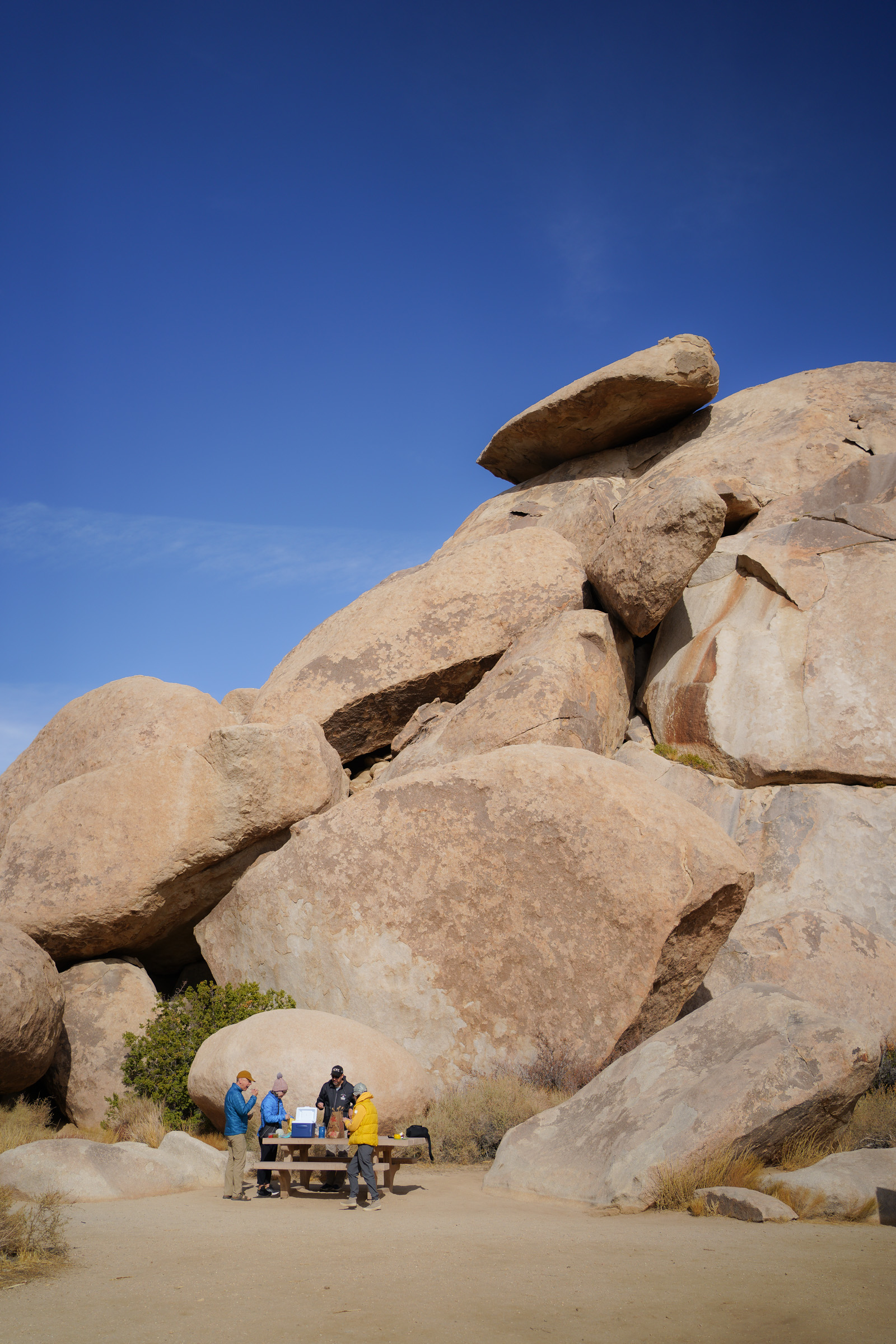
Cap Rock is another fun spot with a formation gets its name from the large, flat boulder perched precariously atop a stack of rocks, seemingly defying gravity.
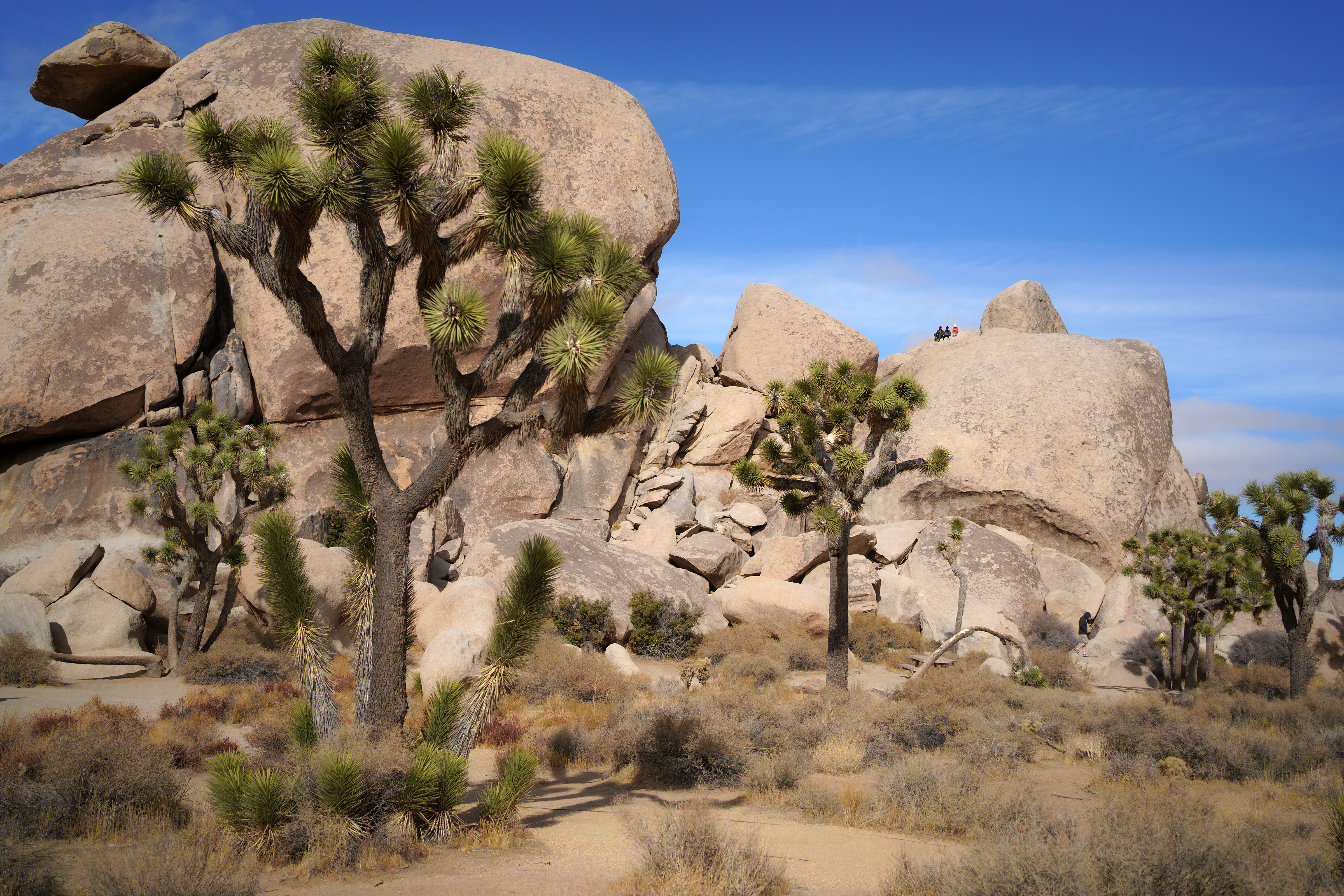
And as far as the Joshua Trees are concerned, you can find them pretty much anywhere in the park, with an especially large number of them situated near the West entrance.
Keys View
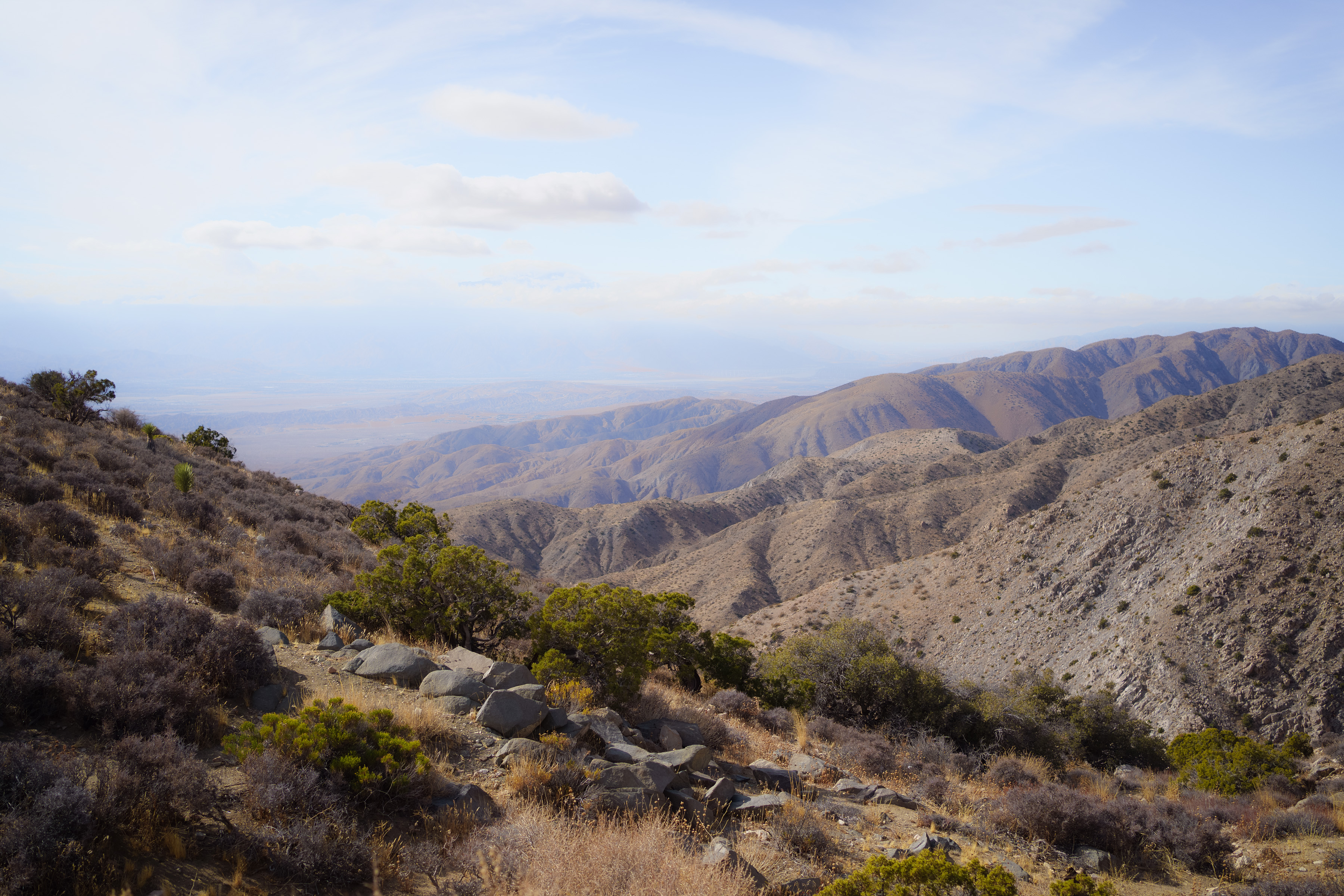
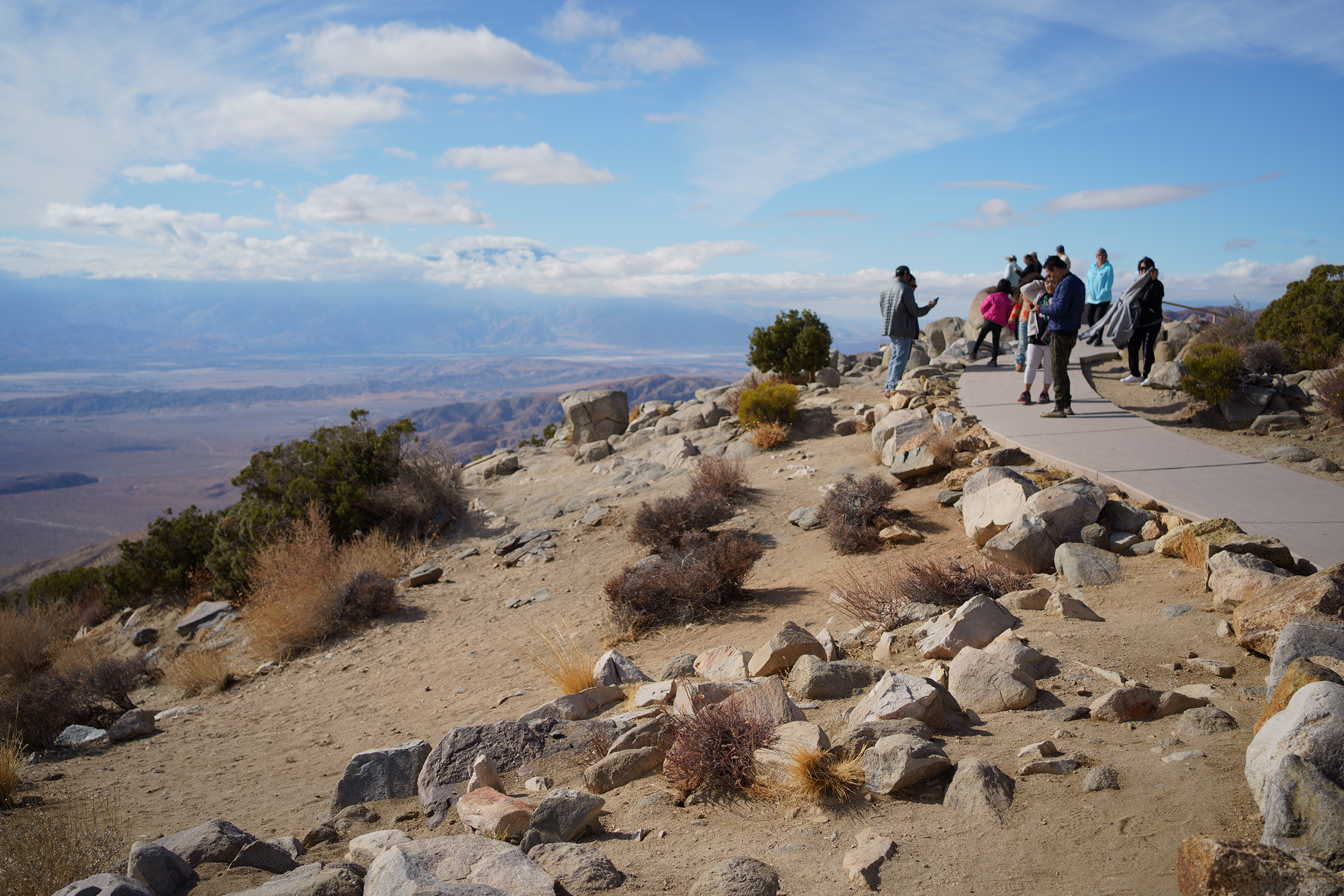
Overlooks the Coachella Valley, with clear views of the San Andreas Fault, Mount San Jacinto, Mount San Gorgonio, and even Mexico on a clear day. The mount is just a short drive from the main park roads, with a paved path leading from the parking lot to the viewpoint at 5,185 feet above sea level (1,580 meters).
Skull Rock
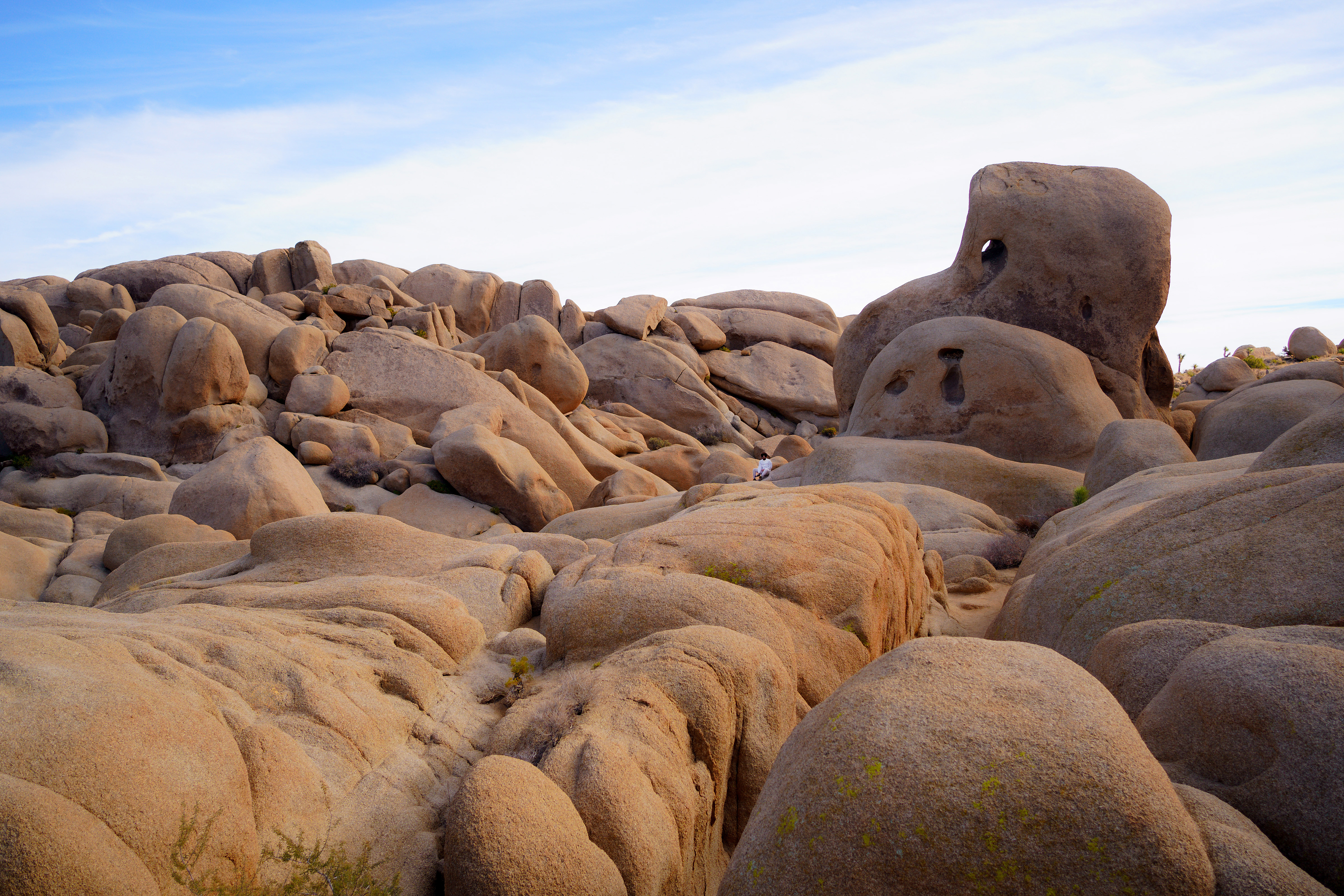
Skull Rock is a recognizable rock formation shaped like a human skull. It’s one of the park’s most popular landmarks, and so it was filled with people taking photos, so I was out of luck to take any of my own. Fortunately, the area was fun to explore by itself.
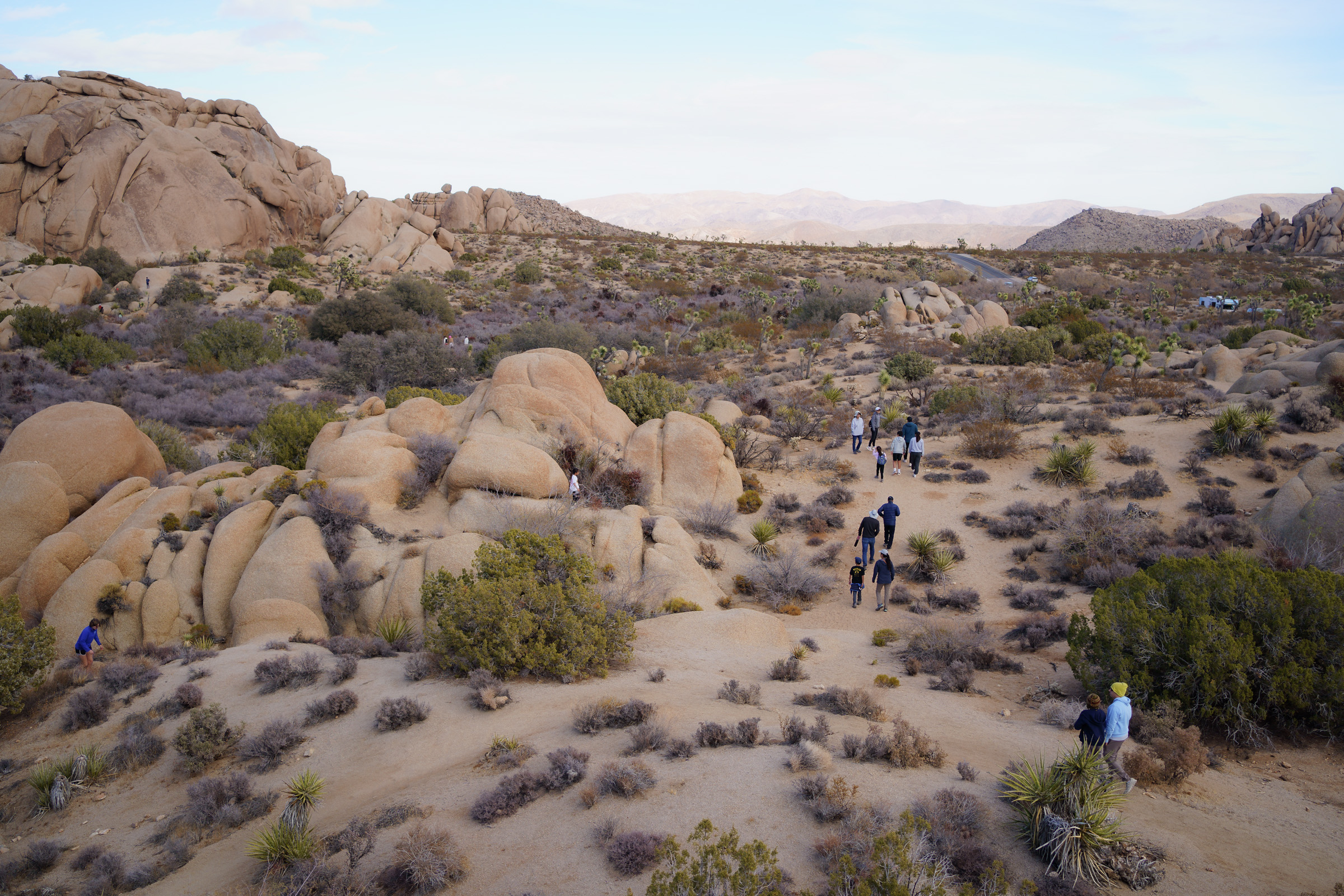
Every rock formation in the park is a piece of art on its own.
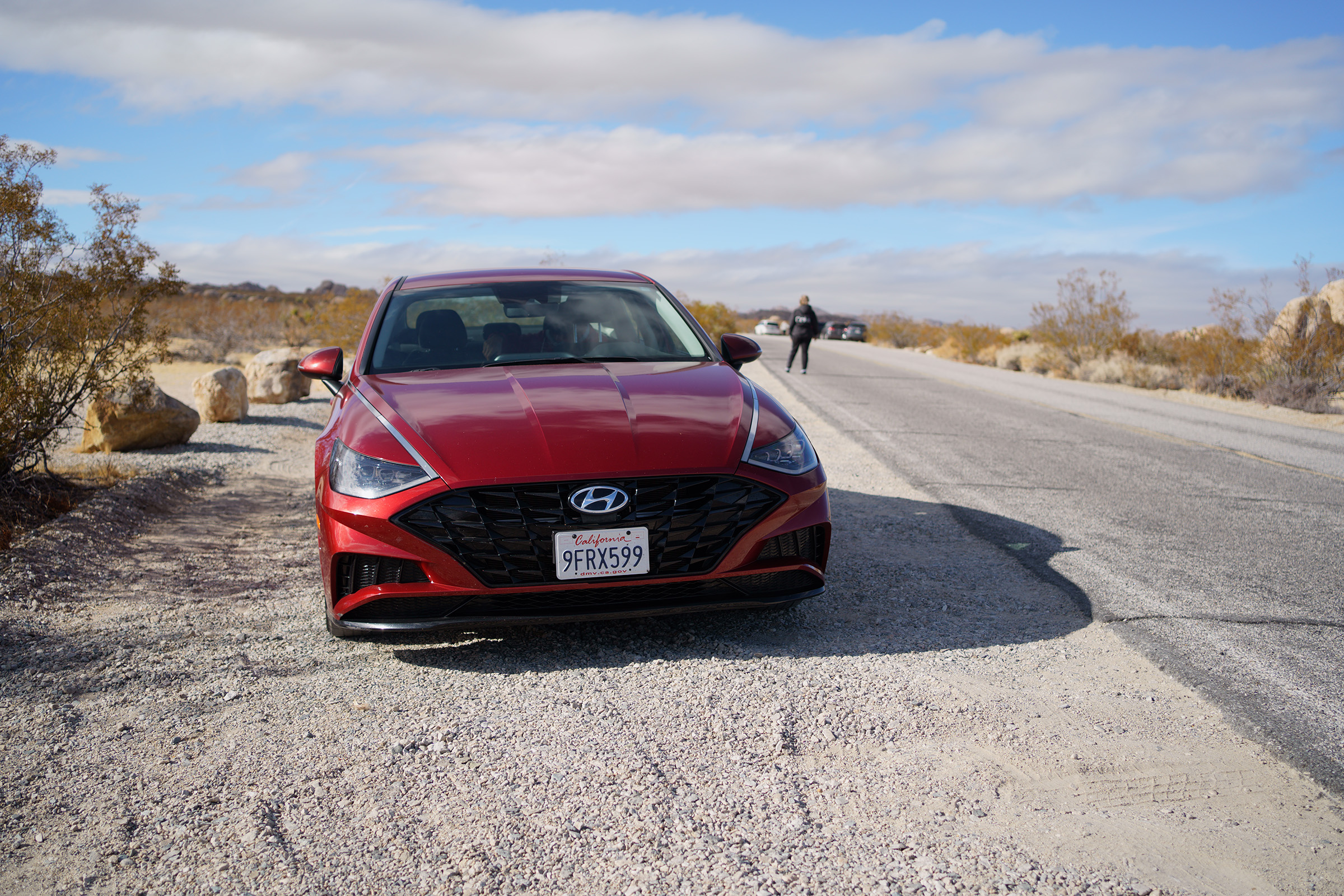
It was getting a bit chilly, so we were happy we had the car as a reprieve.
Arch Rock
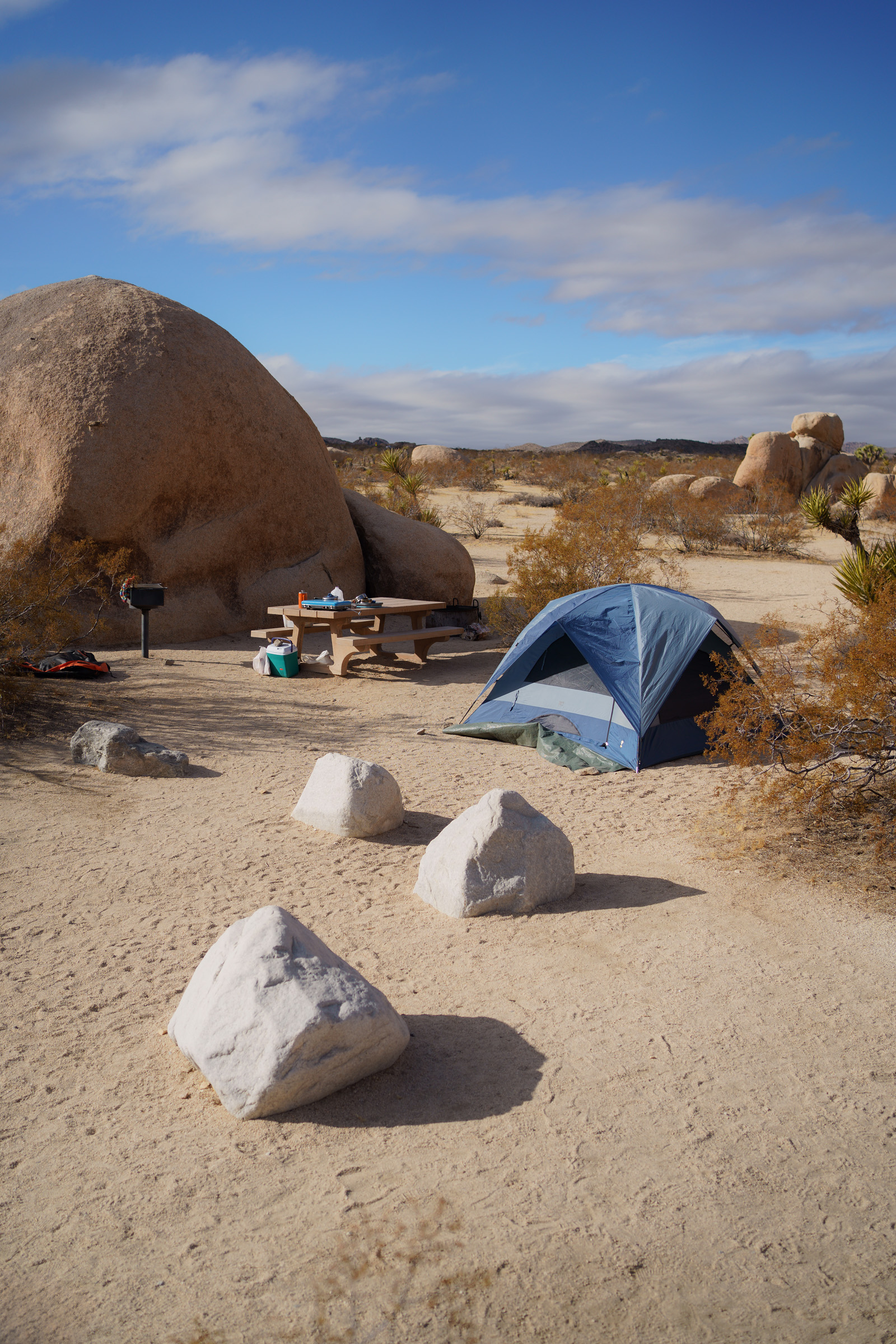
A small, 15-site campground nestled among massive granite boulders, offering a peaceful, immersive desert experience. This is a popular spot for star-gazing, which I hope I will be able to enjoy in the park in the future.
Cholla Cactus Garden
A spot known for its dense concentration of Teddy Bear Cholla cacti, creating an otherworldly desert landscape.
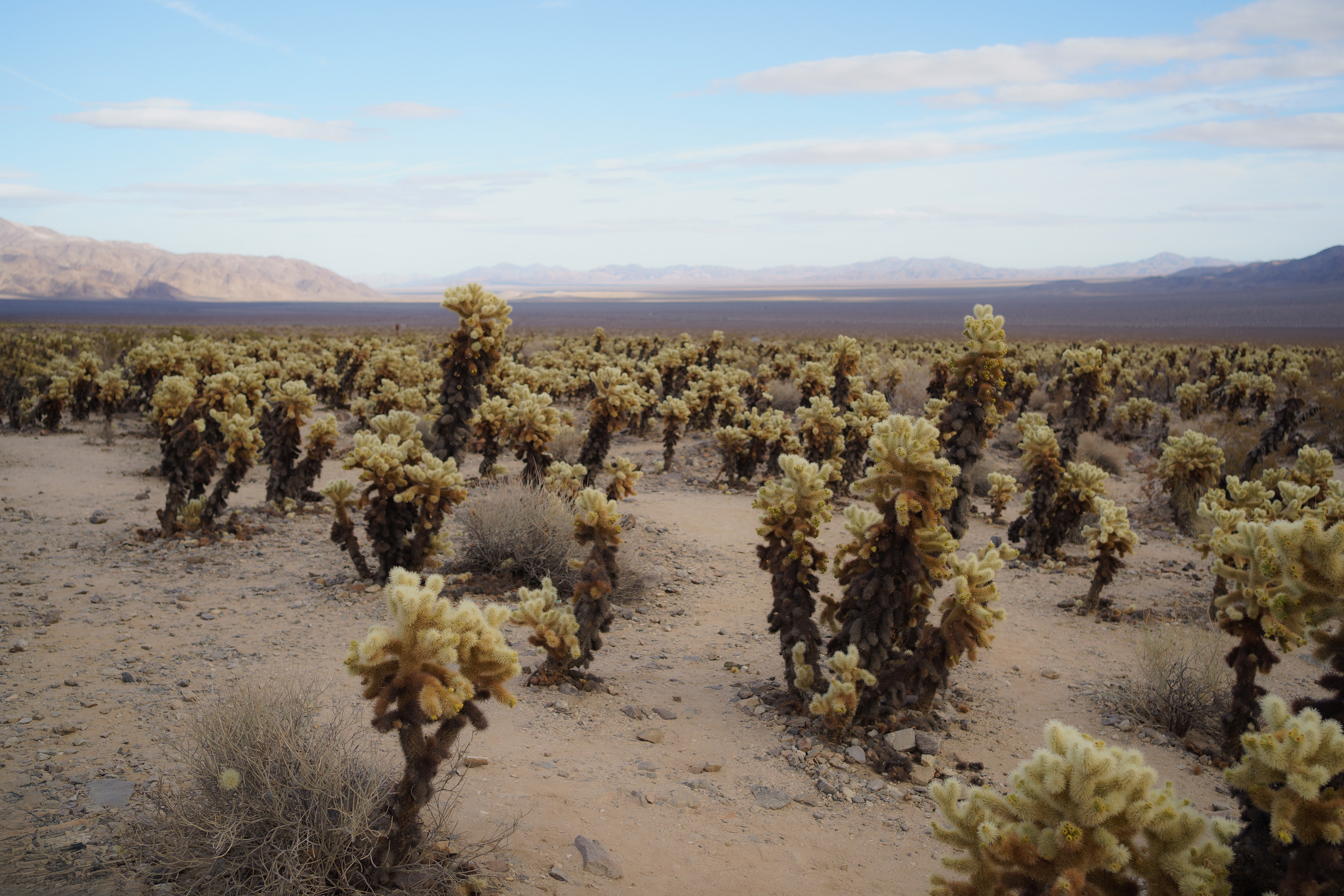
Mojave Desert
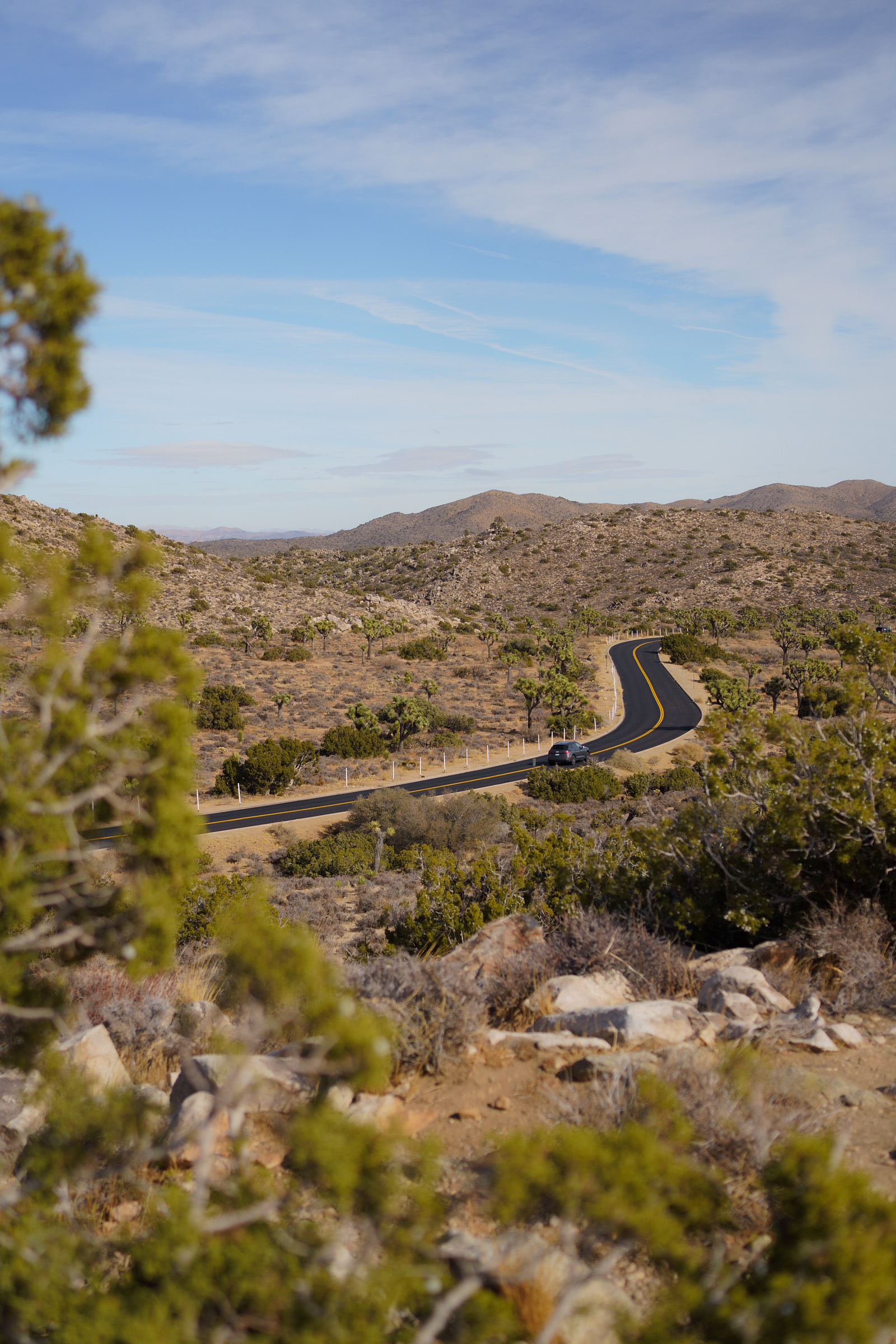
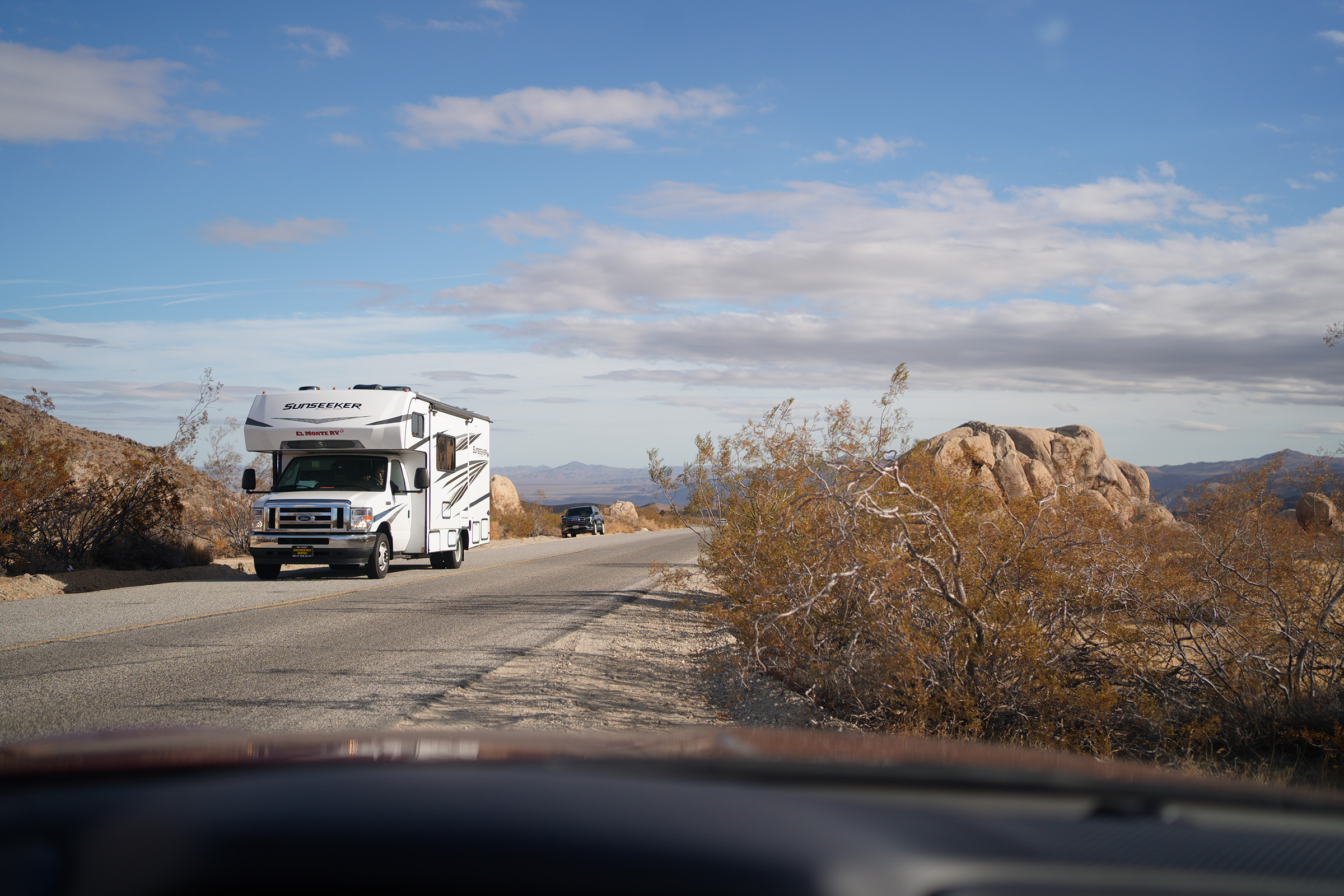
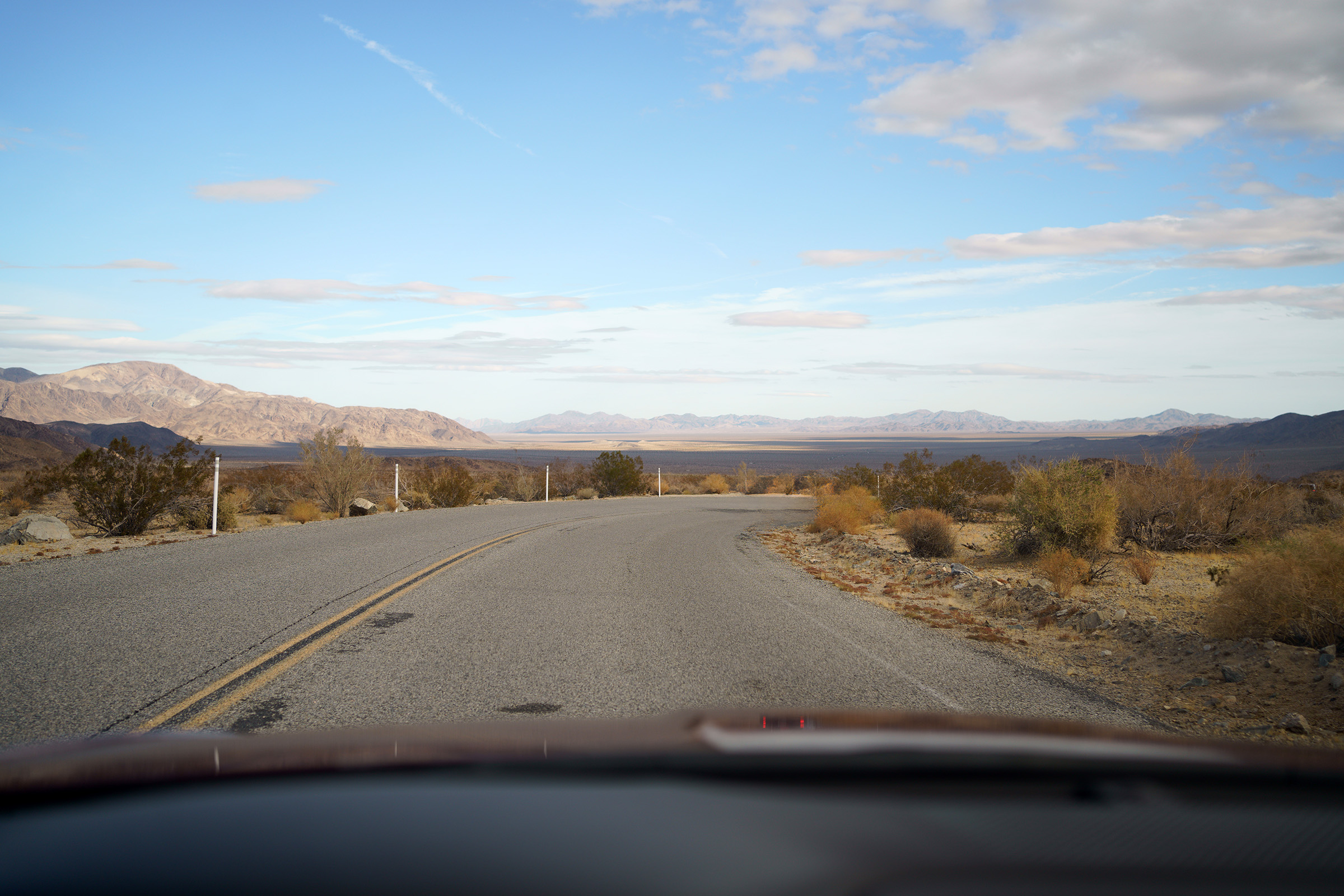
And this is it. We entered through the West entrance and left through a bit unconventional South entrance, which required a long drive on an empty road with the Mojave desert in your front window. I can’t wait to return and explore the rest of the parts of the park we skipped this time around.
 kean photos